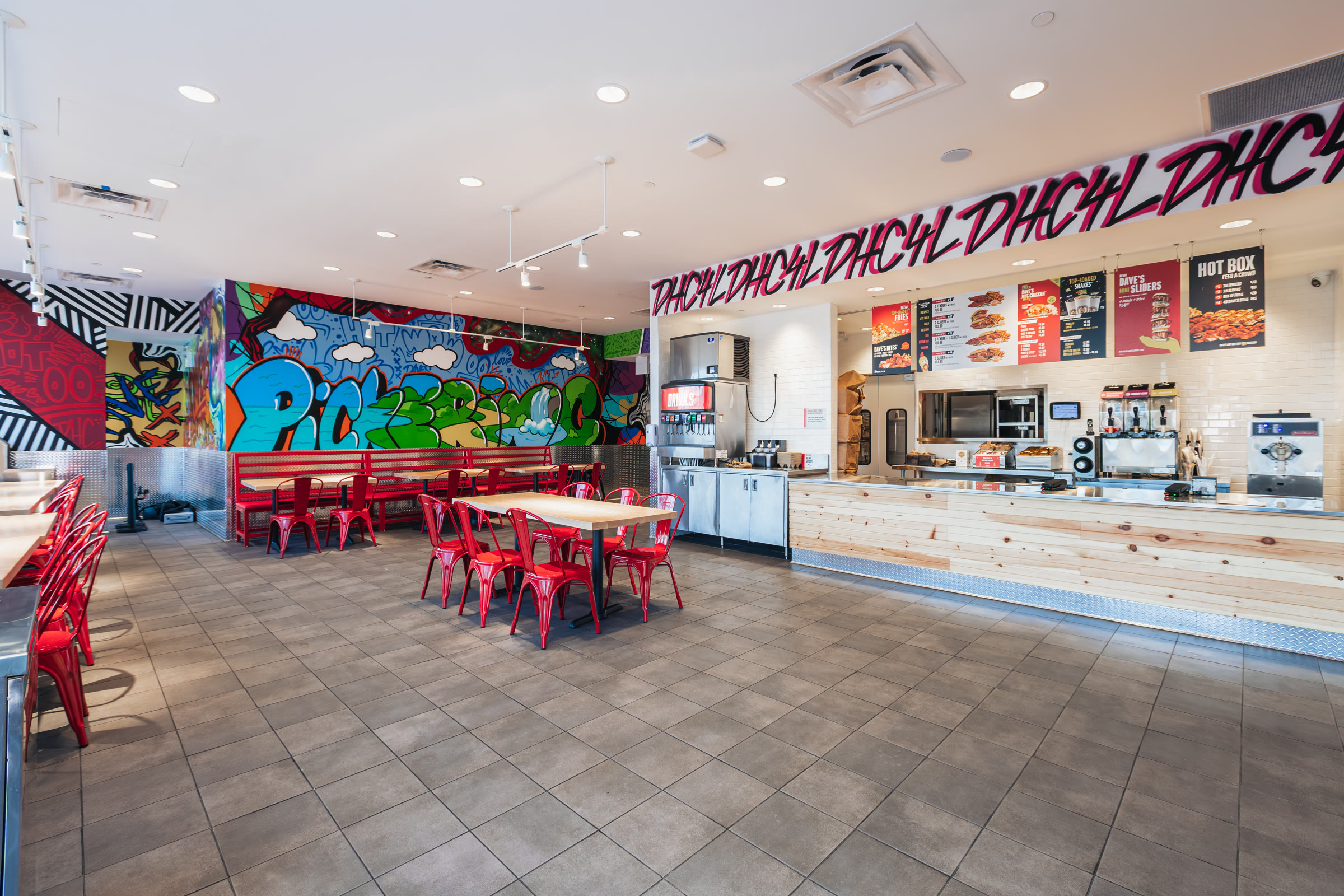
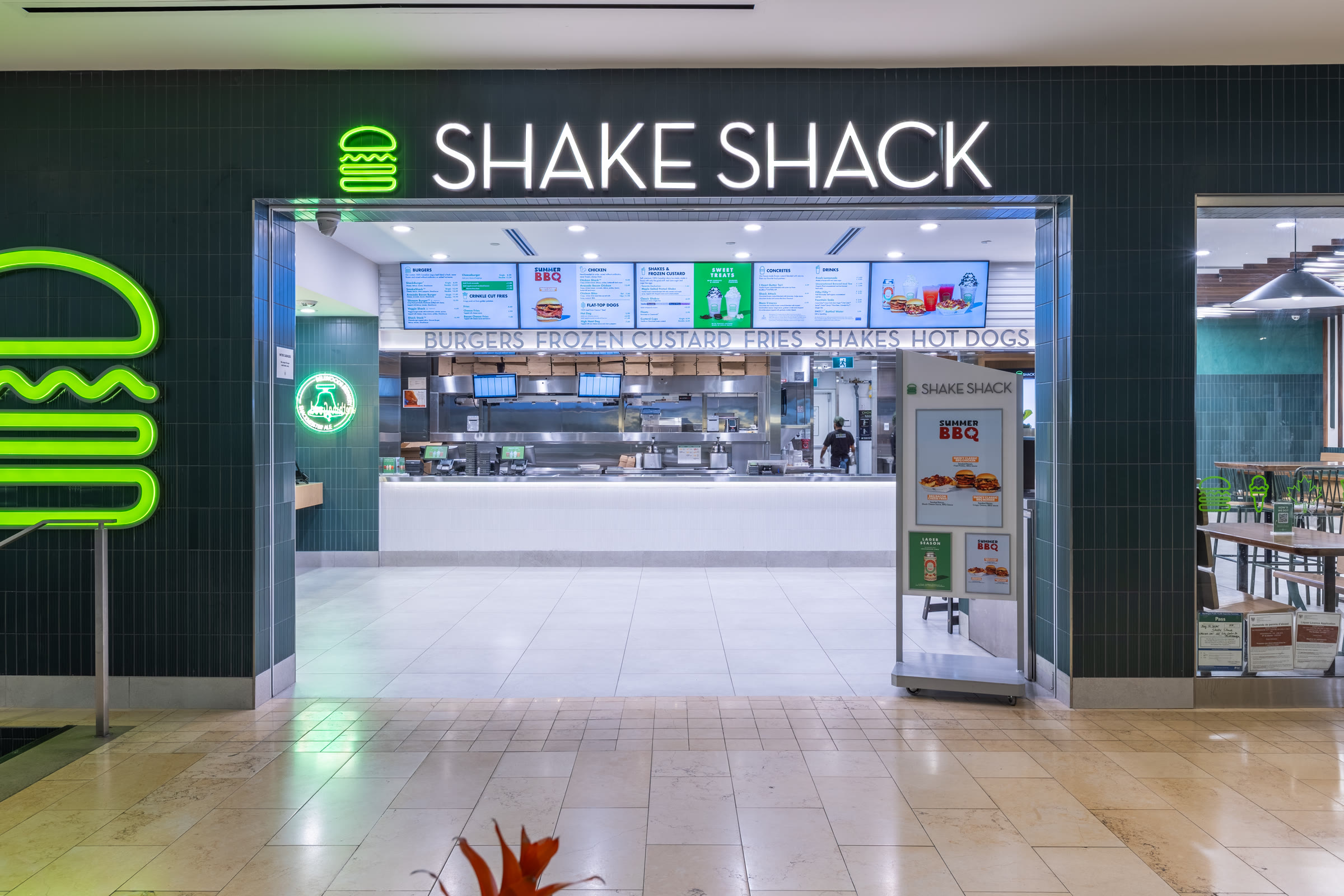
Who this was for
Wendy's speaks to qsr chains, enterprise operators, franchise systems who need the foodservice side of the project to hold up after opening.
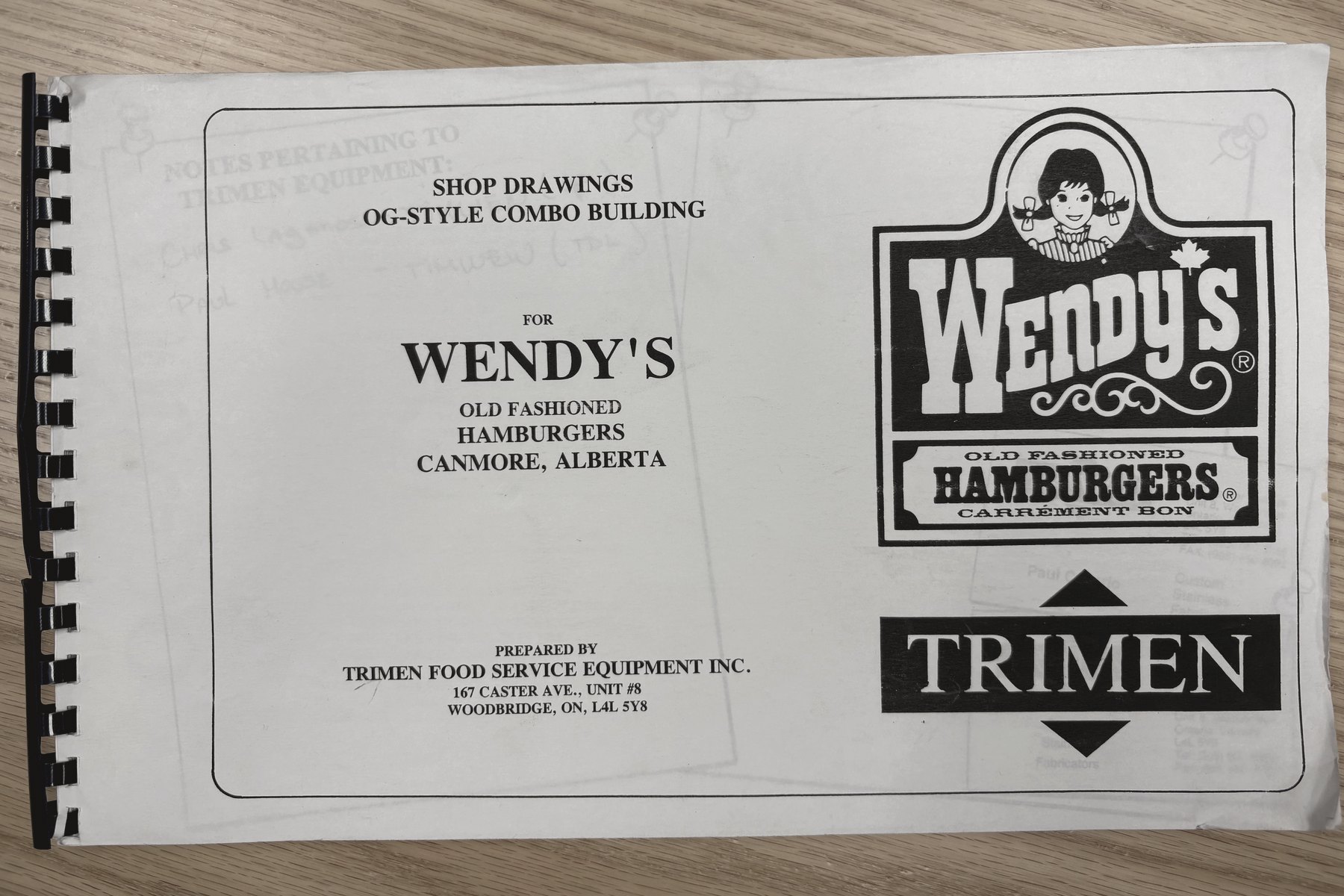
Enterprise quick-service support rooted in the Tryman era, where repeatable standards, equipment discipline, and fast answers matter across a national restaurant system.
Wendy's speaks to qsr chains, enterprise operators, franchise systems who need the foodservice side of the project to hold up after opening.
QSR teams need speed and repeatability without turning every site into a one-off vendor negotiation or losing the brand standard from location to location.
From the Tryman era forward, Cesario's work was built around practical answers, disciplined coordination, and QSR standards under opening pressure.
Wendy's supports Cesario's position with chains that need fast answers, reliable equipment discipline, and repeatable work over years, not just a single order.
From the Tryman era forward, Cesario's work was built around practical answers, disciplined coordination, and QSR standards under opening pressure.
A chain buyer cannot re-learn the same equipment, service, and coordination issues at every location. The system has to be clear enough to repeat, and the partner has to remember why the standard exists.
For quick-service teams, Cesario's value is not just access to equipment. It is knowing the partner understands standards, timelines, and operating reality.
Equipment support becomes more valuable when it stays connected to service, preventive maintenance, and future site decisions.
For chain operators, standards, timing, service, and fast answers cannot drift.
QSR teams need speed and repeatability without turning every site into a one-off vendor negotiation or losing the brand standard from location to location.
From the Tryman era forward, Cesario's work was built around practical answers, disciplined coordination, and QSR standards under opening pressure.
Wendy's supports Cesario's position with chains that need fast answers, reliable equipment discipline, and repeatable work over years, not just a single order.
These are the practical lanes that had to stay connected, so the operator was not left coordinating answers from five directions.
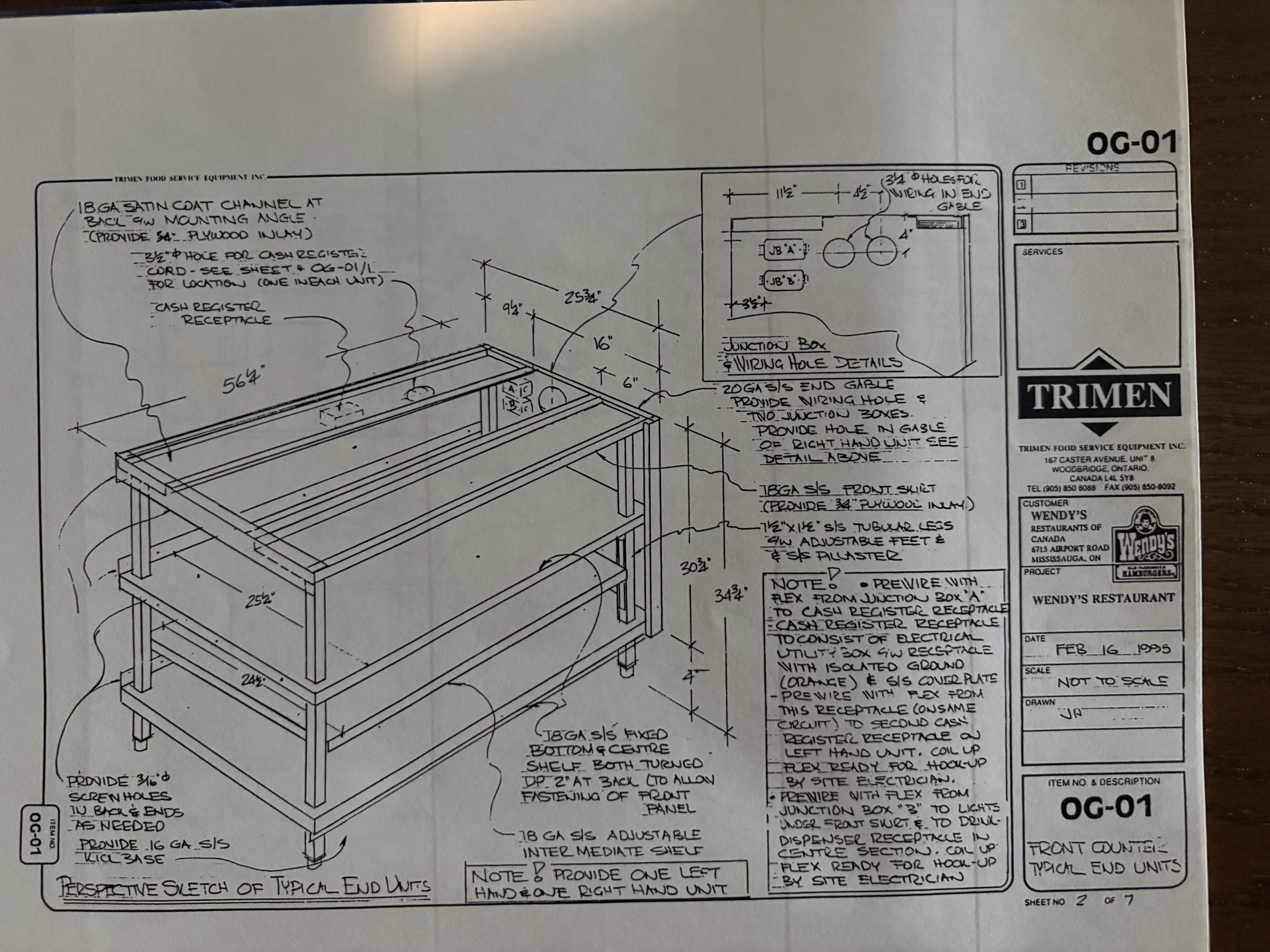
The Wendy's archive belongs to the operating history: documented standards, repeatable answers, and chain work that could not drift by site.
Archive material makes the enterprise history specific instead of relying on generic stainless imagery.